SNAP Benefits in Wisconsin: How to Apply and Qualify
Find out if you qualify for SNAP in Wisconsin. Learn about income limits, how to apply, and manage your benefits.

Steve Austin
Updated on:
Published on:
SNAP Benefits in Wisconsin: How to Apply and Qualify
Find out if you qualify for SNAP in Wisconsin. Learn about income limits, how to apply, and manage your benefits.
Steve Austin
Updated on:
Published on:
SNAP Benefits in Wisconsin: How to Apply and Qualify
Find out if you qualify for SNAP in Wisconsin. Learn about income limits, how to apply, and manage your benefits.
Steve Austin
Updated on:
Published on:
SNAP Benefits in Wisconsin: How to Apply and Qualify
Find out if you qualify for SNAP in Wisconsin. Learn about income limits, how to apply, and manage your benefits.
Steve Austin
Updated on:
Published on:
SHARE


ON THIS PAGE
The Supplemental Nutrition Assistance Program, or SNAP, helps you buy healthy food. If you have a low income in Wisconsin, this program provides monthly funds for groceries for you and your family.
SNAP Income Limits and Benefit Amounts in Wisconsin
To receive SNAP benefits in Wisconsin, your household's gross monthly income must generally fall at or below 200% of the federal poverty level. The income limits and benefit amounts are updated annually based on federal guidelines.
The figures below are effective from October 1, 2024, to September 30, 2025. Maximum benefit amounts are set by the U.S. Department of Agriculture.
Household Size 1: Gross Monthly Income Limit: $2,510, Maximum Benefit Amount: $292
Household Size 2: Gross Monthly Income Limit: $3,408, Maximum Benefit Amount: $536
Household Size 3: Gross Monthly Income Limit: $4,304, Maximum Benefit Amount: $768
Household Size 4: Gross Monthly Income Limit: $5,200, Maximum Benefit Amount: $975
Household Size 5: Gross Monthly Income Limit: $6,098, Maximum Benefit Amount: $1,158
Household Size 6: Gross Monthly Income Limit: $6,994, Maximum Benefit Amount: $1,390
Household Size 7: Gross Monthly Income Limit: $7,890, Maximum Benefit Amount: $1,536
Household Size 8: Gross Monthly Income Limit: $8,788, Maximum Benefit Amount: $1,756
For each additional person in households larger than eight, add $898 to the gross monthly income limit and $220 to the maximum benefit amount.
Because these figures change, it is best to check for the latest updates. For the most current information, including future numbers for Wisconsin SNAP benefits 2026, please visit the official FoodShare Wisconsin website.
Eligibility Criteria for SNAP in Wisconsin
To determine your Wisconsin SNAP benefits eligibility, you must meet several requirements related to your income, residency, and work status. The main criteria are outlined below.
Income Limits: Your household's gross monthly income must generally be at or below 200% of the federal poverty level, and you must also pass a net-income test.
Residency Requirements: You must live in Wisconsin and apply for benefits in the county or tribal agency where you reside.
Citizenship Status: At least one person in your household must be a U.S. citizen or a qualified non-citizen, such as a refugee or a lawful permanent resident meeting specific conditions.
Work Requirements: Most adults must register for work, while some able-bodied adults without dependents have specific monthly work or training requirements.
Special Conditions: Seniors, people with disabilities, students, and pregnant individuals may have different rules affecting their SNAP benefits eligibility for Wisconsin; you can find more details on the FoodShare Wisconsin website.
Download Benny app to save on groceries
Get coupons from your favorite brands
Earn 1-3% cash back on SNAP and track your EBT balance
Get 1% cash back with the Benny Visa card and build your credit score
Download the app
How to Apply for SNAP Benefits in Wisconsin
You can apply for Wisconsin SNAP benefits online, in person at a local agency, or by mailing in a paper form.
Apply Online
The fastest way to apply is through the state's ACCESS website. This online portal lets you submit your application and upload required documents from home, saving you a trip to an office.
To start your application, visit the official FoodShare Wisconsin website. You will be guided through creating an account and filling out the forms to determine your eligibility.
Apply In Person
If you prefer face-to-face assistance, you can apply at your local income maintenance or tribal agency. Staff can help you complete the application and answer any questions you may have about the process.
You must apply in the county where you live. Visit the FoodShare Wisconsin website to find the location and contact information for your local agency.
Apply By Mail
You can also apply by submitting a paper application. This option is useful if you lack reliable internet access or cannot easily travel to a local agency. Processing times may be slightly longer.
Download the application form from the FoodShare Wisconsin website. After filling it out, mail it to your designated county or tribal agency. Be sure to include copies of any requested documents.
How to Contact EBT Customer Service in Wisconsin
Phone:
Call the QUEST Card Service line at 877-415-5164.
Hours:
The automated system is available 24/7, with live support during business hours.
Services:
Activate your card, check your balance, change your PIN, or report a lost or stolen card.
See Wisconsin EBT Customer Service Contacts
How to Use Your SNAP Benefits in Wisconsin
Once you're approved for SNAP, you'll want to know how to use your benefits, including what you can buy and where.
What is an EBT Card and How to Use it?
Your SNAP benefits are loaded onto an Electronic Benefit Transfer (EBT) card each month. Think of it like a debit card specifically for your food assistance. You can use it at authorized grocery stores and farmers markets to purchase eligible food items.
Using your EBT card is simple. At checkout, you just swipe your card and enter your four-digit Personal Identification Number (PIN). The process works very similarly to using a regular debit card for any other purchase.
What Can You Buy with SNAP Benefits?
Your SNAP benefits are meant for purchasing groceries for your household. You can use your EBT card to buy a variety of staple foods to prepare at home. Eligible items include:
Fruits and vegetables
Meat, poultry, and fish
Dairy products
Breads and cereals
Snack foods and non-alcoholic beverages
However, there are some restrictions on what you can buy. Your EBT card cannot be used for non-food items, alcohol, or foods that are sold hot and ready to eat. Ineligible items include:
Alcoholic beverages and tobacco
Vitamins, medicines, and supplements
Hot, prepared foods
Non-food items like cleaning supplies, paper products, and pet food
How to Manage Your SNAP Benefits
Properly managing your SNAP benefits helps you plan your grocery trips and ensures your assistance continues without any interruptions.
EBT Deposit Schedule in Wisconsin
In Wisconsin, your SNAP benefits are deposited between the 2nd and 15th of each month. Your specific payment date is based on the eighth digit of your Social Security number, which helps you plan your monthly budget.
You can find your exact payment date in our Wisconsin deposit schedule.
See Wisconsin EBT deposit schedule 2026
How to Check Your EBT Card Balance
You can check your balance through the ebtEDGE online portal, with the Benny app, by calling the number on your card, or by looking at your last store or ATM receipt.
Check out our guide covering each method on how to check your EBT balance.
Check Your Wisconsin EBT Balance
Manage your SNAP Benefits and Get Cashback with Benny
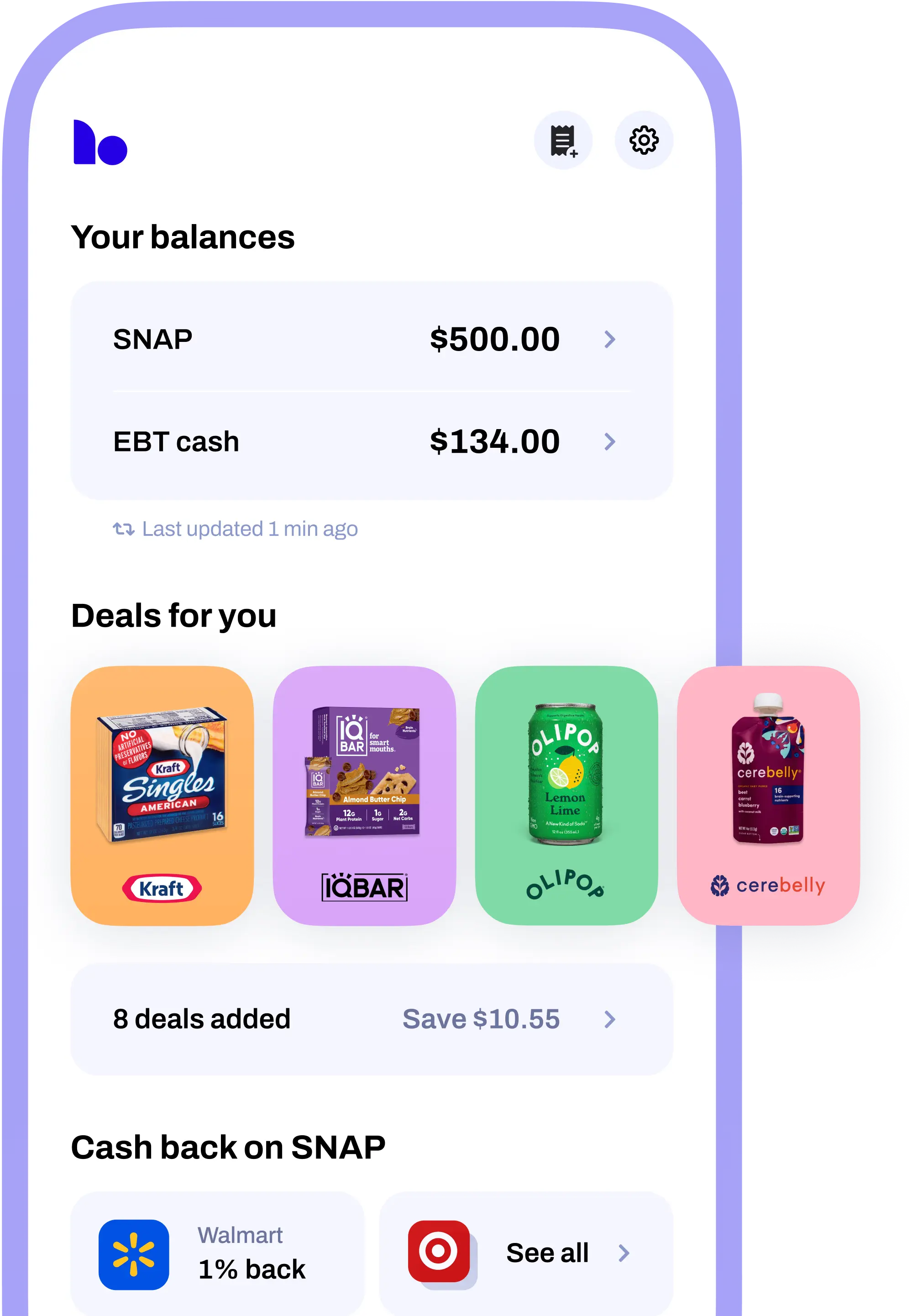
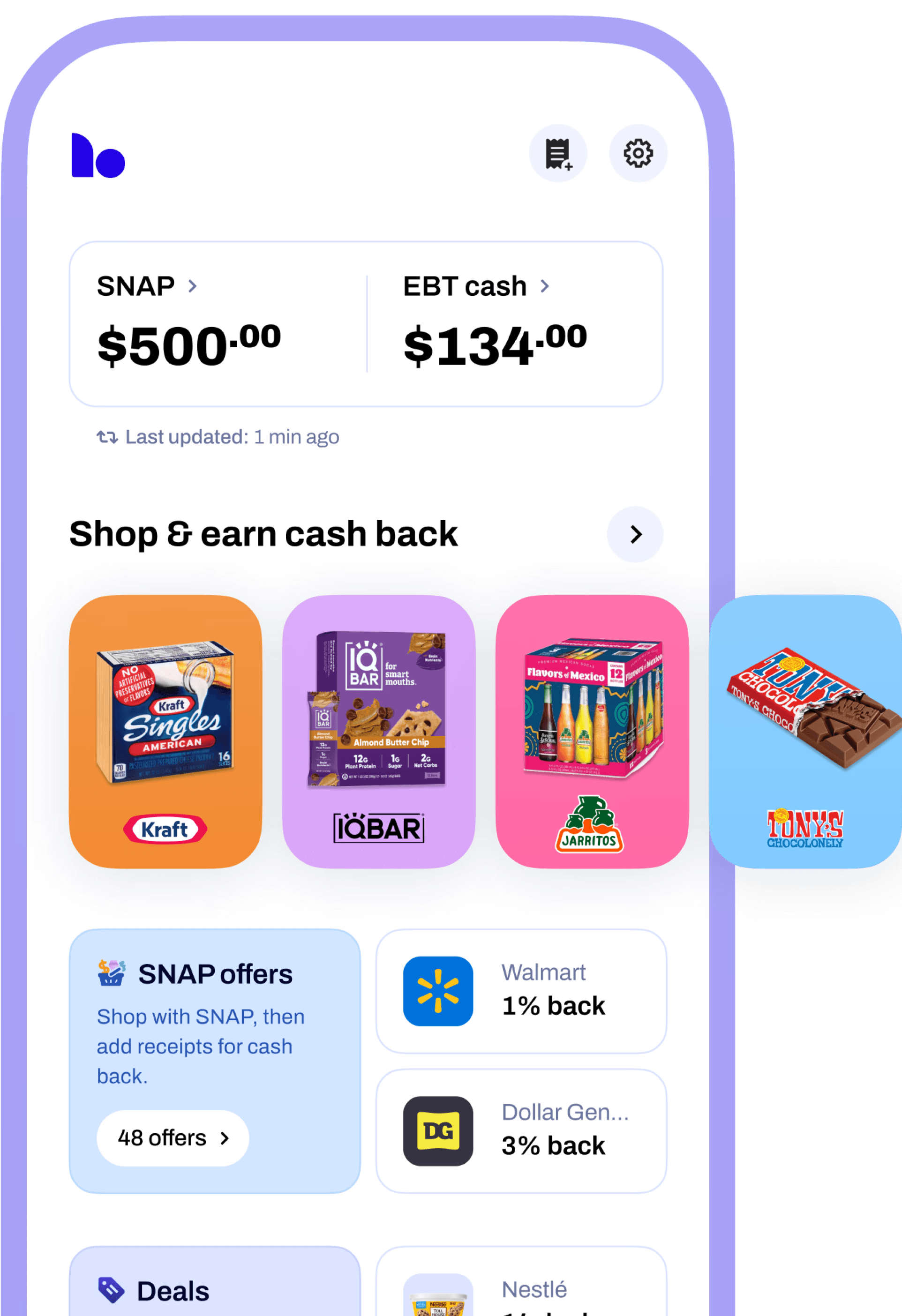
Benny is a free app that helps you see your EBT balance in real-time and earn cash back on eligible purchases at stores like Target, Walmart, and Kroger. To start, link your EBT card to the app. After a purchase, scan your receipt with Benny and get cashback on SNAP-eligible items.
Download Benny to help manage your spending and stretch your EBT benefits.
Get 1-3% cash back on groceries and track your EBT Balance
Download the app
How to Renew Your SNAP Benefits
In Wisconsin, you must recertify your SNAP benefits periodically, usually every six or twelve months. Your local agency will mail you a form when it's time to renew. You can complete this renewal online, by mail, or over the phone.
You'll need to submit documents verifying your income, such as recent pay stubs, and proof of expenses like rent or utility bills. Completing your recertification before the deadline is the only way to guarantee your benefits continue without interruption.
Special SNAP Services in Wisconsin
Wisconsin offers special SNAP services for specific situations, like emergencies or disasters. These programs provide faster aid or replacement benefits to eligible households.
Expedited FoodShare (Emergency SNAP)
This program helps households in a financial crisis get benefits within seven days. You may qualify with very low income and cash. Apply online, by phone, or in person with your ID. More details are on the Wisconsin DHS FoodShare page.
Replacement FoodShare Benefits For Food Lost In A Disaster
If you lose food bought with FoodShare due to a power outage or disaster, you can request a replacement. Current members must file a request form within 10 days of the loss. Find instructions on the DHS replacement-benefits page.
Disaster Supplemental Nutrition Assistance Program (D-SNAP)
After a major disaster, D-SNAP offers temporary food aid to households not on FoodShare. Eligibility is based on disaster-related expenses and income loss. Apply in person at announced sites. Check for USDA FNS disaster updates.
Summer EBT For Children
This program provides grocery money for children when school is out. Families in other assistance programs are often enrolled automatically. If needed, you can submit an online inquiry. Find more information on the DHS Summer EBT site.
Frequently Asked Questions
SHARE
The Supplemental Nutrition Assistance Program, or SNAP, helps you buy healthy food. If you have a low income in Wisconsin, this program provides monthly funds for groceries for you and your family.
SNAP Income Limits and Benefit Amounts in Wisconsin
To receive SNAP benefits in Wisconsin, your household's gross monthly income must generally fall at or below 200% of the federal poverty level. The income limits and benefit amounts are updated annually based on federal guidelines.
The figures below are effective from October 1, 2024, to September 30, 2025. Maximum benefit amounts are set by the U.S. Department of Agriculture.
Household Size 1: Gross Monthly Income Limit: $2,510, Maximum Benefit Amount: $292
Household Size 2: Gross Monthly Income Limit: $3,408, Maximum Benefit Amount: $536
Household Size 3: Gross Monthly Income Limit: $4,304, Maximum Benefit Amount: $768
Household Size 4: Gross Monthly Income Limit: $5,200, Maximum Benefit Amount: $975
Household Size 5: Gross Monthly Income Limit: $6,098, Maximum Benefit Amount: $1,158
Household Size 6: Gross Monthly Income Limit: $6,994, Maximum Benefit Amount: $1,390
Household Size 7: Gross Monthly Income Limit: $7,890, Maximum Benefit Amount: $1,536
Household Size 8: Gross Monthly Income Limit: $8,788, Maximum Benefit Amount: $1,756
For each additional person in households larger than eight, add $898 to the gross monthly income limit and $220 to the maximum benefit amount.
Because these figures change, it is best to check for the latest updates. For the most current information, including future numbers for Wisconsin SNAP benefits 2026, please visit the official FoodShare Wisconsin website.
Eligibility Criteria for SNAP in Wisconsin
To determine your Wisconsin SNAP benefits eligibility, you must meet several requirements related to your income, residency, and work status. The main criteria are outlined below.
Income Limits: Your household's gross monthly income must generally be at or below 200% of the federal poverty level, and you must also pass a net-income test.
Residency Requirements: You must live in Wisconsin and apply for benefits in the county or tribal agency where you reside.
Citizenship Status: At least one person in your household must be a U.S. citizen or a qualified non-citizen, such as a refugee or a lawful permanent resident meeting specific conditions.
Work Requirements: Most adults must register for work, while some able-bodied adults without dependents have specific monthly work or training requirements.
Special Conditions: Seniors, people with disabilities, students, and pregnant individuals may have different rules affecting their SNAP benefits eligibility for Wisconsin; you can find more details on the FoodShare Wisconsin website.
Download Benny app to save on groceries
Get coupons from your favorite brands
Earn 1-3% cash back on SNAP and track your EBT balance
Get 1% cash back with the Benny Visa card and build your credit score
Download the app
How to Apply for SNAP Benefits in Wisconsin
You can apply for Wisconsin SNAP benefits online, in person at a local agency, or by mailing in a paper form.
Apply Online
The fastest way to apply is through the state's ACCESS website. This online portal lets you submit your application and upload required documents from home, saving you a trip to an office.
To start your application, visit the official FoodShare Wisconsin website. You will be guided through creating an account and filling out the forms to determine your eligibility.
Apply In Person
If you prefer face-to-face assistance, you can apply at your local income maintenance or tribal agency. Staff can help you complete the application and answer any questions you may have about the process.
You must apply in the county where you live. Visit the FoodShare Wisconsin website to find the location and contact information for your local agency.
Apply By Mail
You can also apply by submitting a paper application. This option is useful if you lack reliable internet access or cannot easily travel to a local agency. Processing times may be slightly longer.
Download the application form from the FoodShare Wisconsin website. After filling it out, mail it to your designated county or tribal agency. Be sure to include copies of any requested documents.
How to Contact EBT Customer Service in Wisconsin
Phone:
Call the QUEST Card Service line at 877-415-5164.
Hours:
The automated system is available 24/7, with live support during business hours.
Services:
Activate your card, check your balance, change your PIN, or report a lost or stolen card.
See Wisconsin EBT Customer Service Contacts
How to Use Your SNAP Benefits in Wisconsin
Once you're approved for SNAP, you'll want to know how to use your benefits, including what you can buy and where.
What is an EBT Card and How to Use it?
Your SNAP benefits are loaded onto an Electronic Benefit Transfer (EBT) card each month. Think of it like a debit card specifically for your food assistance. You can use it at authorized grocery stores and farmers markets to purchase eligible food items.
Using your EBT card is simple. At checkout, you just swipe your card and enter your four-digit Personal Identification Number (PIN). The process works very similarly to using a regular debit card for any other purchase.
What Can You Buy with SNAP Benefits?
Your SNAP benefits are meant for purchasing groceries for your household. You can use your EBT card to buy a variety of staple foods to prepare at home. Eligible items include:
Fruits and vegetables
Meat, poultry, and fish
Dairy products
Breads and cereals
Snack foods and non-alcoholic beverages
However, there are some restrictions on what you can buy. Your EBT card cannot be used for non-food items, alcohol, or foods that are sold hot and ready to eat. Ineligible items include:
Alcoholic beverages and tobacco
Vitamins, medicines, and supplements
Hot, prepared foods
Non-food items like cleaning supplies, paper products, and pet food
How to Manage Your SNAP Benefits
Properly managing your SNAP benefits helps you plan your grocery trips and ensures your assistance continues without any interruptions.
EBT Deposit Schedule in Wisconsin
In Wisconsin, your SNAP benefits are deposited between the 2nd and 15th of each month. Your specific payment date is based on the eighth digit of your Social Security number, which helps you plan your monthly budget.
You can find your exact payment date in our Wisconsin deposit schedule.
See Wisconsin EBT deposit schedule 2026
How to Check Your EBT Card Balance
You can check your balance through the ebtEDGE online portal, with the Benny app, by calling the number on your card, or by looking at your last store or ATM receipt.
Check out our guide covering each method on how to check your EBT balance.
Check Your Wisconsin EBT Balance
Manage your SNAP Benefits and Get Cashback with Benny
Benny is a free app that helps you see your EBT balance in real-time and earn cash back on eligible purchases at stores like Target, Walmart, and Kroger. To start, link your EBT card to the app. After a purchase, scan your receipt with Benny and get cashback on SNAP-eligible items.
Download Benny to help manage your spending and stretch your EBT benefits.
Get 1-3% cash back on groceries and track your EBT Balance
Download the app
How to Renew Your SNAP Benefits
In Wisconsin, you must recertify your SNAP benefits periodically, usually every six or twelve months. Your local agency will mail you a form when it's time to renew. You can complete this renewal online, by mail, or over the phone.
You'll need to submit documents verifying your income, such as recent pay stubs, and proof of expenses like rent or utility bills. Completing your recertification before the deadline is the only way to guarantee your benefits continue without interruption.
Special SNAP Services in Wisconsin
Wisconsin offers special SNAP services for specific situations, like emergencies or disasters. These programs provide faster aid or replacement benefits to eligible households.
Expedited FoodShare (Emergency SNAP)
This program helps households in a financial crisis get benefits within seven days. You may qualify with very low income and cash. Apply online, by phone, or in person with your ID. More details are on the Wisconsin DHS FoodShare page.
Replacement FoodShare Benefits For Food Lost In A Disaster
If you lose food bought with FoodShare due to a power outage or disaster, you can request a replacement. Current members must file a request form within 10 days of the loss. Find instructions on the DHS replacement-benefits page.
Disaster Supplemental Nutrition Assistance Program (D-SNAP)
After a major disaster, D-SNAP offers temporary food aid to households not on FoodShare. Eligibility is based on disaster-related expenses and income loss. Apply in person at announced sites. Check for USDA FNS disaster updates.
Summer EBT For Children
This program provides grocery money for children when school is out. Families in other assistance programs are often enrolled automatically. If needed, you can submit an online inquiry. Find more information on the DHS Summer EBT site.
Frequently Asked Questions
SHARE
The Supplemental Nutrition Assistance Program, or SNAP, helps you buy healthy food. If you have a low income in Wisconsin, this program provides monthly funds for groceries for you and your family.
SNAP Income Limits and Benefit Amounts in Wisconsin
To receive SNAP benefits in Wisconsin, your household's gross monthly income must generally fall at or below 200% of the federal poverty level. The income limits and benefit amounts are updated annually based on federal guidelines.
The figures below are effective from October 1, 2024, to September 30, 2025. Maximum benefit amounts are set by the U.S. Department of Agriculture.
Household Size 1: Gross Monthly Income Limit: $2,510, Maximum Benefit Amount: $292
Household Size 2: Gross Monthly Income Limit: $3,408, Maximum Benefit Amount: $536
Household Size 3: Gross Monthly Income Limit: $4,304, Maximum Benefit Amount: $768
Household Size 4: Gross Monthly Income Limit: $5,200, Maximum Benefit Amount: $975
Household Size 5: Gross Monthly Income Limit: $6,098, Maximum Benefit Amount: $1,158
Household Size 6: Gross Monthly Income Limit: $6,994, Maximum Benefit Amount: $1,390
Household Size 7: Gross Monthly Income Limit: $7,890, Maximum Benefit Amount: $1,536
Household Size 8: Gross Monthly Income Limit: $8,788, Maximum Benefit Amount: $1,756
For each additional person in households larger than eight, add $898 to the gross monthly income limit and $220 to the maximum benefit amount.
Because these figures change, it is best to check for the latest updates. For the most current information, including future numbers for Wisconsin SNAP benefits 2026, please visit the official FoodShare Wisconsin website.
Eligibility Criteria for SNAP in Wisconsin
To determine your Wisconsin SNAP benefits eligibility, you must meet several requirements related to your income, residency, and work status. The main criteria are outlined below.
Income Limits: Your household's gross monthly income must generally be at or below 200% of the federal poverty level, and you must also pass a net-income test.
Residency Requirements: You must live in Wisconsin and apply for benefits in the county or tribal agency where you reside.
Citizenship Status: At least one person in your household must be a U.S. citizen or a qualified non-citizen, such as a refugee or a lawful permanent resident meeting specific conditions.
Work Requirements: Most adults must register for work, while some able-bodied adults without dependents have specific monthly work or training requirements.
Special Conditions: Seniors, people with disabilities, students, and pregnant individuals may have different rules affecting their SNAP benefits eligibility for Wisconsin; you can find more details on the FoodShare Wisconsin website.
Download Benny app to save on groceries
Get coupons from your favorite brands
Earn 1-3% cash back on SNAP and track your EBT balance
Get 1% cash back with the Benny Visa card and build your credit score
Download the app
How to Apply for SNAP Benefits in Wisconsin
You can apply for Wisconsin SNAP benefits online, in person at a local agency, or by mailing in a paper form.
Apply Online
The fastest way to apply is through the state's ACCESS website. This online portal lets you submit your application and upload required documents from home, saving you a trip to an office.
To start your application, visit the official FoodShare Wisconsin website. You will be guided through creating an account and filling out the forms to determine your eligibility.
Apply In Person
If you prefer face-to-face assistance, you can apply at your local income maintenance or tribal agency. Staff can help you complete the application and answer any questions you may have about the process.
You must apply in the county where you live. Visit the FoodShare Wisconsin website to find the location and contact information for your local agency.
Apply By Mail
You can also apply by submitting a paper application. This option is useful if you lack reliable internet access or cannot easily travel to a local agency. Processing times may be slightly longer.
Download the application form from the FoodShare Wisconsin website. After filling it out, mail it to your designated county or tribal agency. Be sure to include copies of any requested documents.
How to Contact EBT Customer Service in Wisconsin
Phone:
Call the QUEST Card Service line at 877-415-5164.
Hours:
The automated system is available 24/7, with live support during business hours.
Services:
Activate your card, check your balance, change your PIN, or report a lost or stolen card.
See Wisconsin EBT Customer Service Contacts
How to Use Your SNAP Benefits in Wisconsin
Once you're approved for SNAP, you'll want to know how to use your benefits, including what you can buy and where.
What is an EBT Card and How to Use it?
Your SNAP benefits are loaded onto an Electronic Benefit Transfer (EBT) card each month. Think of it like a debit card specifically for your food assistance. You can use it at authorized grocery stores and farmers markets to purchase eligible food items.
Using your EBT card is simple. At checkout, you just swipe your card and enter your four-digit Personal Identification Number (PIN). The process works very similarly to using a regular debit card for any other purchase.
What Can You Buy with SNAP Benefits?
Your SNAP benefits are meant for purchasing groceries for your household. You can use your EBT card to buy a variety of staple foods to prepare at home. Eligible items include:
Fruits and vegetables
Meat, poultry, and fish
Dairy products
Breads and cereals
Snack foods and non-alcoholic beverages
However, there are some restrictions on what you can buy. Your EBT card cannot be used for non-food items, alcohol, or foods that are sold hot and ready to eat. Ineligible items include:
Alcoholic beverages and tobacco
Vitamins, medicines, and supplements
Hot, prepared foods
Non-food items like cleaning supplies, paper products, and pet food
How to Manage Your SNAP Benefits
Properly managing your SNAP benefits helps you plan your grocery trips and ensures your assistance continues without any interruptions.
EBT Deposit Schedule in Wisconsin
In Wisconsin, your SNAP benefits are deposited between the 2nd and 15th of each month. Your specific payment date is based on the eighth digit of your Social Security number, which helps you plan your monthly budget.
You can find your exact payment date in our Wisconsin deposit schedule.
See Wisconsin EBT deposit schedule 2026
How to Check Your EBT Card Balance
You can check your balance through the ebtEDGE online portal, with the Benny app, by calling the number on your card, or by looking at your last store or ATM receipt.
Check out our guide covering each method on how to check your EBT balance.
Check Your Wisconsin EBT Balance
Manage your SNAP Benefits and Get Cashback with Benny
Benny is a free app that helps you see your EBT balance in real-time and earn cash back on eligible purchases at stores like Target, Walmart, and Kroger. To start, link your EBT card to the app. After a purchase, scan your receipt with Benny and get cashback on SNAP-eligible items.
Download Benny to help manage your spending and stretch your EBT benefits.
Get 1-3% cash back on groceries and track your EBT Balance
Download the app
How to Renew Your SNAP Benefits
In Wisconsin, you must recertify your SNAP benefits periodically, usually every six or twelve months. Your local agency will mail you a form when it's time to renew. You can complete this renewal online, by mail, or over the phone.
You'll need to submit documents verifying your income, such as recent pay stubs, and proof of expenses like rent or utility bills. Completing your recertification before the deadline is the only way to guarantee your benefits continue without interruption.
Special SNAP Services in Wisconsin
Wisconsin offers special SNAP services for specific situations, like emergencies or disasters. These programs provide faster aid or replacement benefits to eligible households.
Expedited FoodShare (Emergency SNAP)
This program helps households in a financial crisis get benefits within seven days. You may qualify with very low income and cash. Apply online, by phone, or in person with your ID. More details are on the Wisconsin DHS FoodShare page.
Replacement FoodShare Benefits For Food Lost In A Disaster
If you lose food bought with FoodShare due to a power outage or disaster, you can request a replacement. Current members must file a request form within 10 days of the loss. Find instructions on the DHS replacement-benefits page.
Disaster Supplemental Nutrition Assistance Program (D-SNAP)
After a major disaster, D-SNAP offers temporary food aid to households not on FoodShare. Eligibility is based on disaster-related expenses and income loss. Apply in person at announced sites. Check for USDA FNS disaster updates.
Summer EBT For Children
This program provides grocery money for children when school is out. Families in other assistance programs are often enrolled automatically. If needed, you can submit an online inquiry. Find more information on the DHS Summer EBT site.
Frequently Asked Questions
SHARE
The Supplemental Nutrition Assistance Program, or SNAP, helps you buy healthy food. If you have a low income in Wisconsin, this program provides monthly funds for groceries for you and your family.
SNAP Income Limits and Benefit Amounts in Wisconsin
To receive SNAP benefits in Wisconsin, your household's gross monthly income must generally fall at or below 200% of the federal poverty level. The income limits and benefit amounts are updated annually based on federal guidelines.
The figures below are effective from October 1, 2024, to September 30, 2025. Maximum benefit amounts are set by the U.S. Department of Agriculture.
Household Size 1: Gross Monthly Income Limit: $2,510, Maximum Benefit Amount: $292
Household Size 2: Gross Monthly Income Limit: $3,408, Maximum Benefit Amount: $536
Household Size 3: Gross Monthly Income Limit: $4,304, Maximum Benefit Amount: $768
Household Size 4: Gross Monthly Income Limit: $5,200, Maximum Benefit Amount: $975
Household Size 5: Gross Monthly Income Limit: $6,098, Maximum Benefit Amount: $1,158
Household Size 6: Gross Monthly Income Limit: $6,994, Maximum Benefit Amount: $1,390
Household Size 7: Gross Monthly Income Limit: $7,890, Maximum Benefit Amount: $1,536
Household Size 8: Gross Monthly Income Limit: $8,788, Maximum Benefit Amount: $1,756
For each additional person in households larger than eight, add $898 to the gross monthly income limit and $220 to the maximum benefit amount.
Because these figures change, it is best to check for the latest updates. For the most current information, including future numbers for Wisconsin SNAP benefits 2026, please visit the official FoodShare Wisconsin website.
Eligibility Criteria for SNAP in Wisconsin
To determine your Wisconsin SNAP benefits eligibility, you must meet several requirements related to your income, residency, and work status. The main criteria are outlined below.
Income Limits: Your household's gross monthly income must generally be at or below 200% of the federal poverty level, and you must also pass a net-income test.
Residency Requirements: You must live in Wisconsin and apply for benefits in the county or tribal agency where you reside.
Citizenship Status: At least one person in your household must be a U.S. citizen or a qualified non-citizen, such as a refugee or a lawful permanent resident meeting specific conditions.
Work Requirements: Most adults must register for work, while some able-bodied adults without dependents have specific monthly work or training requirements.
Special Conditions: Seniors, people with disabilities, students, and pregnant individuals may have different rules affecting their SNAP benefits eligibility for Wisconsin; you can find more details on the FoodShare Wisconsin website.
Download Benny app to save on groceries
Get coupons from your favorite brands
Earn 1-3% cash back on SNAP and track your EBT balance
Get 1% cash back with the Benny Visa card and build your credit score
Download the app
How to Apply for SNAP Benefits in Wisconsin
You can apply for Wisconsin SNAP benefits online, in person at a local agency, or by mailing in a paper form.
Apply Online
The fastest way to apply is through the state's ACCESS website. This online portal lets you submit your application and upload required documents from home, saving you a trip to an office.
To start your application, visit the official FoodShare Wisconsin website. You will be guided through creating an account and filling out the forms to determine your eligibility.
Apply In Person
If you prefer face-to-face assistance, you can apply at your local income maintenance or tribal agency. Staff can help you complete the application and answer any questions you may have about the process.
You must apply in the county where you live. Visit the FoodShare Wisconsin website to find the location and contact information for your local agency.
Apply By Mail
You can also apply by submitting a paper application. This option is useful if you lack reliable internet access or cannot easily travel to a local agency. Processing times may be slightly longer.
Download the application form from the FoodShare Wisconsin website. After filling it out, mail it to your designated county or tribal agency. Be sure to include copies of any requested documents.
How to Contact EBT Customer Service in Wisconsin
Phone:
Call the QUEST Card Service line at 877-415-5164.
Hours:
The automated system is available 24/7, with live support during business hours.
Services:
Activate your card, check your balance, change your PIN, or report a lost or stolen card.
See Wisconsin EBT Customer Service Contacts
How to Use Your SNAP Benefits in Wisconsin
Once you're approved for SNAP, you'll want to know how to use your benefits, including what you can buy and where.
What is an EBT Card and How to Use it?
Your SNAP benefits are loaded onto an Electronic Benefit Transfer (EBT) card each month. Think of it like a debit card specifically for your food assistance. You can use it at authorized grocery stores and farmers markets to purchase eligible food items.
Using your EBT card is simple. At checkout, you just swipe your card and enter your four-digit Personal Identification Number (PIN). The process works very similarly to using a regular debit card for any other purchase.
What Can You Buy with SNAP Benefits?
Your SNAP benefits are meant for purchasing groceries for your household. You can use your EBT card to buy a variety of staple foods to prepare at home. Eligible items include:
Fruits and vegetables
Meat, poultry, and fish
Dairy products
Breads and cereals
Snack foods and non-alcoholic beverages
However, there are some restrictions on what you can buy. Your EBT card cannot be used for non-food items, alcohol, or foods that are sold hot and ready to eat. Ineligible items include:
Alcoholic beverages and tobacco
Vitamins, medicines, and supplements
Hot, prepared foods
Non-food items like cleaning supplies, paper products, and pet food
How to Manage Your SNAP Benefits
Properly managing your SNAP benefits helps you plan your grocery trips and ensures your assistance continues without any interruptions.
EBT Deposit Schedule in Wisconsin
In Wisconsin, your SNAP benefits are deposited between the 2nd and 15th of each month. Your specific payment date is based on the eighth digit of your Social Security number, which helps you plan your monthly budget.
You can find your exact payment date in our Wisconsin deposit schedule.
See Wisconsin EBT deposit schedule 2026
How to Check Your EBT Card Balance
You can check your balance through the ebtEDGE online portal, with the Benny app, by calling the number on your card, or by looking at your last store or ATM receipt.
Check out our guide covering each method on how to check your EBT balance.
Check Your Wisconsin EBT Balance
Manage your SNAP Benefits and Get Cashback with Benny
Benny is a free app that helps you see your EBT balance in real-time and earn cash back on eligible purchases at stores like Target, Walmart, and Kroger. To start, link your EBT card to the app. After a purchase, scan your receipt with Benny and get cashback on SNAP-eligible items.
Download Benny to help manage your spending and stretch your EBT benefits.
Get 1-3% cash back on groceries and track your EBT Balance
Download the app
How to Renew Your SNAP Benefits
In Wisconsin, you must recertify your SNAP benefits periodically, usually every six or twelve months. Your local agency will mail you a form when it's time to renew. You can complete this renewal online, by mail, or over the phone.
You'll need to submit documents verifying your income, such as recent pay stubs, and proof of expenses like rent or utility bills. Completing your recertification before the deadline is the only way to guarantee your benefits continue without interruption.
Special SNAP Services in Wisconsin
Wisconsin offers special SNAP services for specific situations, like emergencies or disasters. These programs provide faster aid or replacement benefits to eligible households.
Expedited FoodShare (Emergency SNAP)
This program helps households in a financial crisis get benefits within seven days. You may qualify with very low income and cash. Apply online, by phone, or in person with your ID. More details are on the Wisconsin DHS FoodShare page.
Replacement FoodShare Benefits For Food Lost In A Disaster
If you lose food bought with FoodShare due to a power outage or disaster, you can request a replacement. Current members must file a request form within 10 days of the loss. Find instructions on the DHS replacement-benefits page.
Disaster Supplemental Nutrition Assistance Program (D-SNAP)
After a major disaster, D-SNAP offers temporary food aid to households not on FoodShare. Eligibility is based on disaster-related expenses and income loss. Apply in person at announced sites. Check for USDA FNS disaster updates.
Summer EBT For Children
This program provides grocery money for children when school is out. Families in other assistance programs are often enrolled automatically. If needed, you can submit an online inquiry. Find more information on the DHS Summer EBT site.