Wisconsin WIC: Eligibility, Benefits & How to Apply (2026)
Find out if you qualify for WIC in Wisconsin. See income limits, benefits, and how to apply, use, and manage them.

Steve Austin
Updated on:
Published on:

Wisconsin WIC: Eligibility, Benefits & How to Apply (2026)
Find out if you qualify for WIC in Wisconsin. See income limits, benefits, and how to apply, use, and manage them.
Steve Austin
Updated on:
Published on:
Wisconsin WIC: Eligibility, Benefits & How to Apply (2026)
Find out if you qualify for WIC in Wisconsin. See income limits, benefits, and how to apply, use, and manage them.
Steve Austin
Updated on:
Published on:
Wisconsin WIC: Eligibility, Benefits & How to Apply (2026)
Find out if you qualify for WIC in Wisconsin. See income limits, benefits, and how to apply, use, and manage them.
Steve Austin
Updated on:
Published on:
SHARE


ON THIS PAGE
The Wisconsin WIC Program offers vital nutritional support to families across the state. It is designed for expecting mothers, nursing parents, and anyone raising young children. Understanding how WIC services in WI work can help you access valuable resources for your family's health.
This guide will walk you through WIC eligibility, the application process, and how to use your benefits while shopping. We will also cover how WIC works with other state programs like SNAP.
What is the Wisconsin WIC Program?
The Special Supplemental Nutrition Program for Women, Infants, and Children (WIC) provides healthy foods and support services. In Wisconsin, the program is run by the Department of Health Services. It serves families in all 72 counties and 11 tribal nations.
Participation in WIC is linked to better health for families. Research shows it leads to fewer premature births and healthier babies. Children on WIC often have improved diets and better access to regular healthcare, promoting long-term wellness.
Benefits Available Through Wisconsin WIC
Supplemental food assistance: Receive a monthly allowance for specific healthy foods using an eWIC card, which works like a debit card at approved grocery stores.
Personalized nutrition services: Meet with nutrition experts to get advice tailored to your family’s needs, helping you make healthy choices.
Health assessments and screenings: Get regular health and growth checks for your children to monitor their development and well-being.
Breastfeeding support: Access lactation consultants and peer counselors who offer guidance and encouragement for a successful breastfeeding journey.
Community connections and referrals: WIC connects you to other services like immunizations, healthcare providers, and other community support programs.
WIC Eligibility for Wisconsin WIC
WIC eligibility in Wisconsin is designed to support a wide range of families. Many people who believe they might not qualify are often eligible for benefits. The program serves individuals in various life stages and family structures.
Who Qualifies for Wisconsin WIC
Pregnant individuals.
Postpartum individuals, for up to six months after delivery.
Breastfeeding parents, for up to one year after delivery.
Infants and children up to their fifth birthday.
Fathers, grandparents, foster parents, and legal guardians can also apply for WIC on behalf of a child in their care. The program recognizes many types of caregivers.
Wisconsin WIC Income Requirements
To qualify, your household’s gross income must be at or below 185% of the U.S. Poverty Income Guidelines. Your eligibility is based on your income before taxes are taken out.
You are automatically income-eligible for WIC if you or your family members receive SNAP, Medicaid, or Temporary Assistance for Needy Families (TANF).
WIC Income Guidelines (Effective until June 30, 2025) | ||
Household Size | Monthly Income | Annual Income |
|---|---|---|
1 | $2,322 | $27,861 |
2 | $3,152 | $37,814 |
3 | $3,981 | $47,767 |
4 | $4,810 | $57,720 |
5 | $5,640 | $67,673 |
6 | $6,469 | $77,626 |
7 | $7,299 | $87,579 |
8 | $8,128 | $97,532 |
When determining your household size, be sure to count any unborn children. For example, a pregnant person is counted as a household of two.
Nutritional Risk Assessment
Applicants must also complete a brief health and nutrition screening with WIC staff. This helps tailor services to your family’s specific needs.
The assessment typically includes:
Basic health measurements like height and weight.
A simple blood test to check for anemia, if needed.
A discussion about your family’s eating habits.
A review of your medical history.
Most applicants who meet the income guidelines are also found to have a nutritional need. This assessment is a standard part of the certification process in WI.
How to Apply for WIC in Wisconsin
Applying for WIC in Wisconsin begins by contacting your local WIC office to schedule an appointment. You can find your nearest clinic through the state’s directory. Many clinics offer same-day certification, allowing you to receive benefits immediately after your appointment is complete.
Required Documentation for Your Wisconsin WIC Appointment
To complete your application, you will need to bring documents from three different categories. Some documents may be shown digitally, but it is best to confirm with your local clinic beforehand.
Proof of Identity: You must provide a valid ID for yourself and each person applying for WIC. Acceptable forms include a driver's license, state ID, birth certificate, hospital records, or a passport.
Proof of Wisconsin Residency: You need to show that you live in WI. This can be done with a utility bill, lease agreement, recent mail with your name and address, or a driver's license showing your current address.
Income Documentation: If you are not automatically eligible through SNAP, Medicaid, or TANF, you must provide proof of income. This includes recent pay stubs, a letter from your employer, or self-employment records.
The Wisconsin WIC Application Process
Your WIC appointment will involve several steps to confirm your eligibility and set up your benefits. WIC staff will guide you through each part of the process.
You will complete the WIC application with assistance from staff, providing information about your household.
A brief nutritional assessment, including height and weight checks, will be conducted for you and your children.
You will participate in a short nutrition education session to learn about healthy eating for your family.
Staff will assign your monthly food package based on your family's specific nutritional needs.
You will be issued an eWIC card, which you can use to purchase approved foods right away.
Maintaining Your Wisconsin WIC Benefits
To continue receiving benefits, you must attend regular appointments, typically every two to three months. These appointments often include required nutrition education, which can be completed online or in person. You will also need to complete a recertification process periodically.
Certification periods vary by category:
Pregnant individuals: Certified for the entire pregnancy.
Breastfeeding parents: Certified for up to one year postpartum.
Non-breastfeeding postpartum individuals: Certified for up to six months after delivery.
Infants and children: Certified for six months to one year at a time, until their fifth birthday.
Reporting Changes to Wisconsin WIC
You must contact your WIC office if your circumstances change. Keeping your information updated is necessary to maintain your eligibility. Report any of the following situations:
You change your address or phone number.
You become pregnant or a new baby joins your household.
Your breastfeeding status changes.
Your household income changes significantly.
You start or stop receiving SNAP, Medicaid, or TANF.
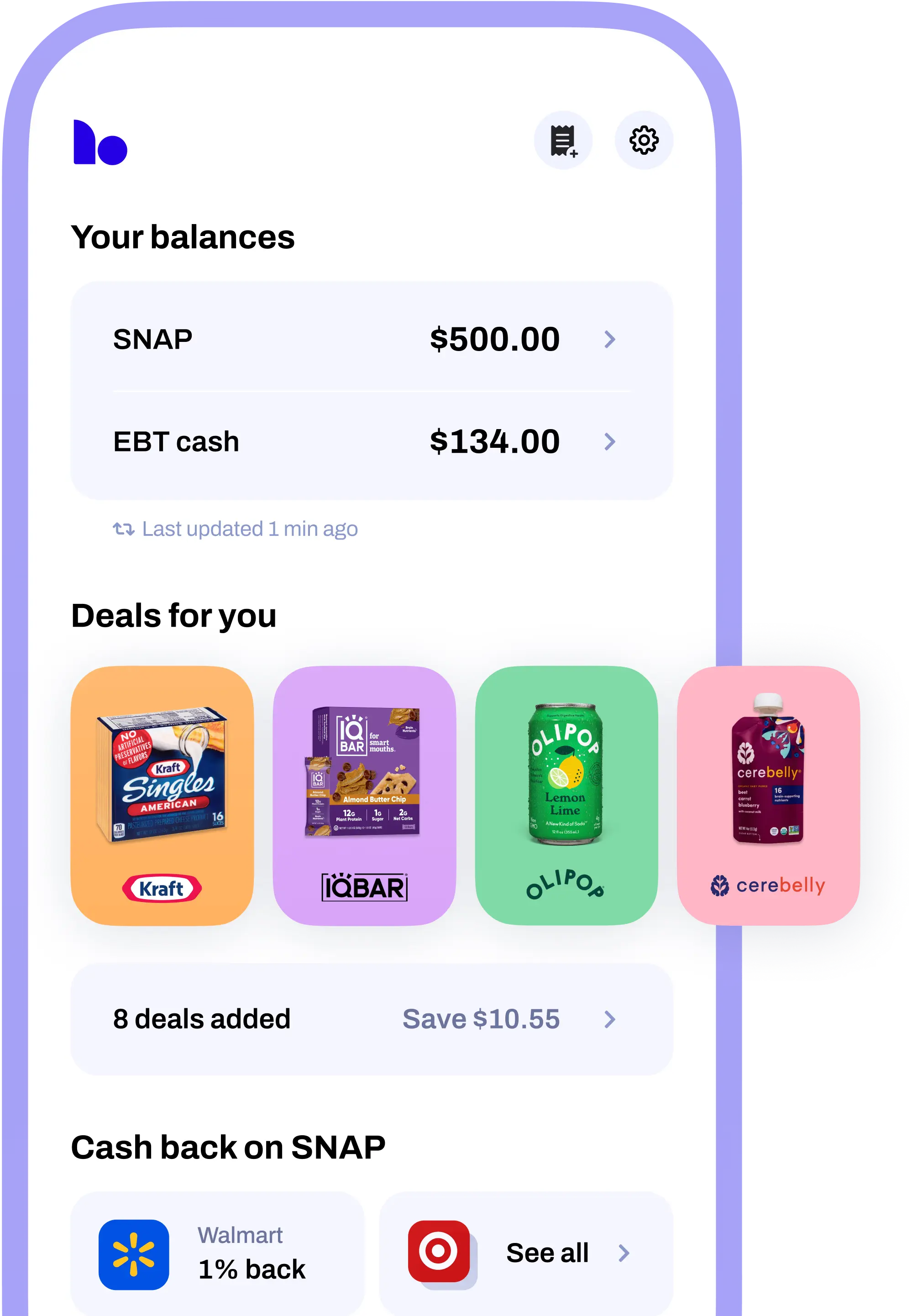
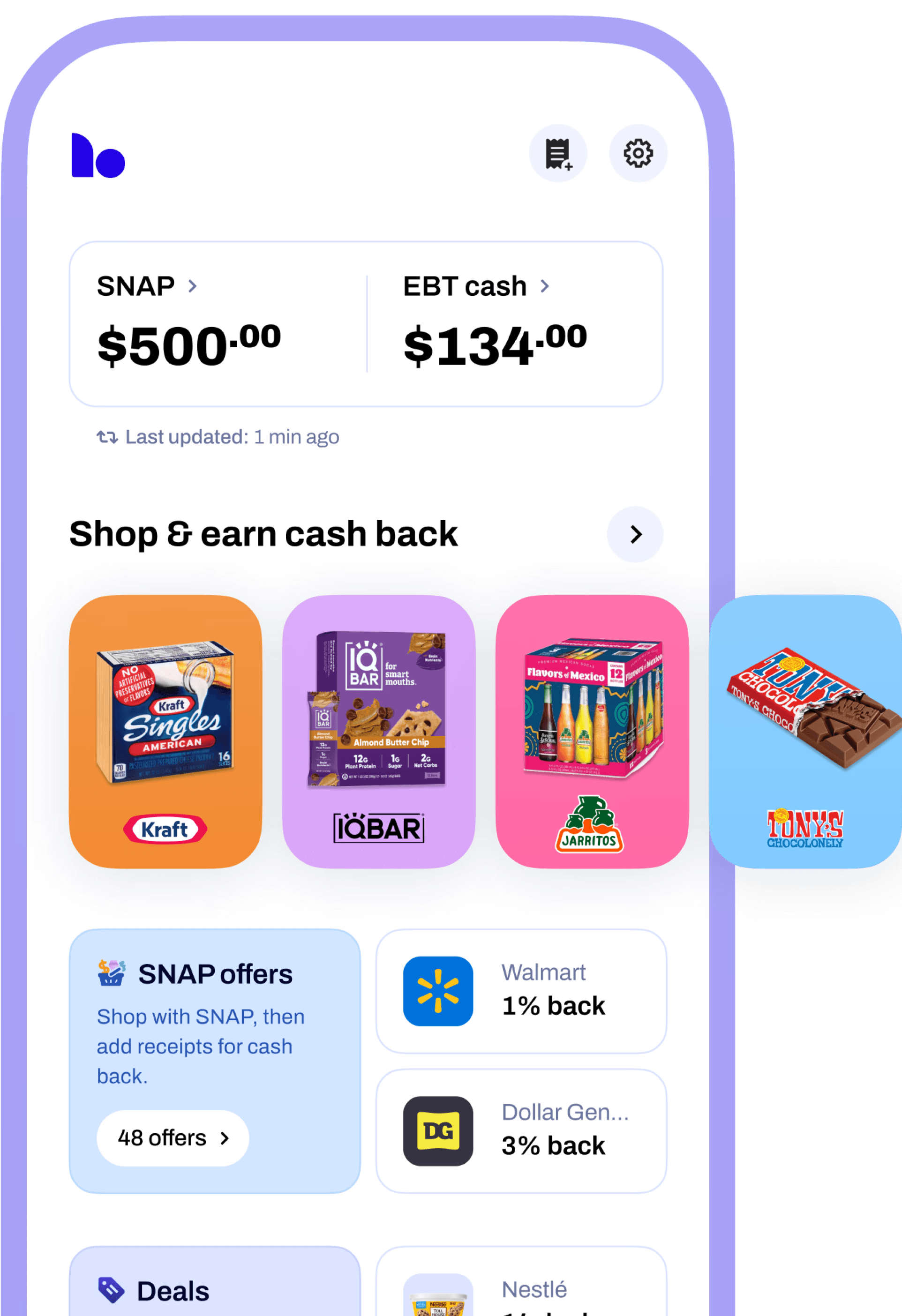
Download Benny app to save on groceries
Get coupons from your favorite brands
Earn 1-3% cash back on SNAP and track your EBT balance
Get 1% cash back with the Benny Visa card and build your credit score
Download the app
Wisconsin WIC Customer Service
The Wisconsin WIC team is here to help. Whether you have questions about your benefits or need assistance with the program, our staff is ready to provide the support you need.
Wisconsin WIC State Office
You can reach the main state office for general inquiries.
Phone: 1-800-722-2295
Mailing Address: 1 W Wilson St, PO Box 2659, Madison, WI 53701-2659
Website: dhs.wisconsin.gov/wic
Find Your Local County WIC Office
For direct assistance, contact your local WIC office. Clinics are available in most of Wisconsin's 72 counties and 11 tribes. Staff at these locations can help you with your application, answer specific questions, and provide personalized support for you and your family.
Wisconsin WIC App
Manage your benefits on the go with the MyWIC app. You can use it to:
Check your benefit balance in real-time
Scan items at the store to see if they are WIC-approved
Locate WIC-authorized stores near you
View reminders for upcoming appointments
Access your family's shopping list
For Questions About Civil Rights or Equal Access
If you have questions about civil rights or equal access, please contact the Civil Rights Coordinator. You can reach them by calling the main state office number for further direction.
Office Hours
Typical clinic hours are Monday through Friday, from 8:00 AM to 4:30 PM. Since hours vary by location, we recommend calling your local office to confirm their schedule before you visit.
Our dedicated staff is committed to helping you and your family. Please do not hesitate to reach out at any point during your WIC journey for assistance.
Transferring Wisconsin WIC Benefits When Moving
If you are moving to a new county within Wisconsin, contact your new local WIC office to transfer your benefits. Bring your current eWIC card and any documentation from your previous clinic to your appointment. This will help streamline the process and get you set up quickly.
When moving out of state, you must reapply for WIC. Follow these steps for a smooth transition:
Ask your current WIC office for a Verification of Certification (VOC) form.
Use any remaining benefits on your WI eWIC card before you move.
Contact the WIC program in your new state as soon as you arrive.
Schedule an appointment and bring your VOC form with you.
Your Wisconsin eWIC card only works at authorized retailers within WI. Each state manages its own WIC program and eWIC card system. You will be issued a new card once you are certified for benefits in your new state.
Shopping with Wisconsin WIC Benefits
Wisconsin WIC provides food packages tailored to your family's life stage and nutritional needs. Your monthly benefits are loaded onto an eWIC card, which works like a debit card at authorized stores for specific food items.
Wisconsin WIC Approved Foods
Your food package includes a variety of healthy foods. The monthly cash value benefit for fruits and vegetables is $26 for children, $47 for pregnant and postpartum participants, and $52 for breastfeeding participants. Key food categories include:
Fruits and vegetables: Fresh, frozen, or canned options.
Dairy products: Milk, cheese, and yogurt.
Protein sources: Eggs, peanut butter, and dried or canned beans.
Whole grains: 100% whole-wheat bread, brown rice, pasta, tortillas, and cereals.
Other items: Juice, infant formula, infant cereal, and baby foods.
Recent updates have improved food packages. You'll find more whole grains, less sugar, and more culturally relevant options. There is also more flexibility for infant formula amounts and different package sizes.
Special Dietary Needs in Wisconsin
WIC offers accommodations for various dietary needs, including lactose-free milk, allergy substitutions, and cultural food preferences. Special medical formulas can also be provided with a doctor's note. Always discuss any dietary concerns with your WIC nutritionist for personalized support.
Using Your Wisconsin eWIC Card at Stores
Shopping with your eWIC card is simple. Follow these tips for a smooth experience:
Before Shopping: Download the MyWIC app to check your balance and view approved foods. Planning your shopping list ahead of time can make your trip easier.
While Shopping: Look for "WIC Approved" shelf tags to identify eligible items. Since your fruit and vegetable benefit is a cash value, try to purchase produce early in the month.
At Checkout: Use your eWIC card before any other form of payment. The system automatically separates and pays for WIC items. Always keep your receipt to track your remaining balance.
Many stores across WI accept eWIC cards. Major retailers include Pick 'n Save, Walmart, Target, Festival Foods, Woodman's, and Aldi. Look for the WIC logo at store entrances.
Infant Formula Coverage in Wisconsin
Wisconsin WIC provides infant formula support tailored to your baby's specific needs. The program works closely with families to determine the right amount and type of formula, supporting your feeding choices without judgment.
Formula Amount Determination
Baby's age
Feeding method (exclusively formula or combination with breastfeeding)
Formula type (standard, soy-based, specialized)
Formula form (powder or liquid concentrate)
WI WIC contracts with specific formula manufacturers. Participants receive the contracted brand unless a medical need requires an alternative. Special medical formulas are available with documentation from a healthcare provider to accommodate your baby's health requirements.
Nutrition Education in Wisconsin WIC
Wisconsin WIC requires participants to complete nutrition education as part of the program. To accommodate busy schedules, this education is offered in multiple formats. You can choose the option that works best for you and your family, making it easier to get valuable health information.
You can complete your nutrition education through several convenient formats. These options provide flexibility to learn in a way that suits your lifestyle.
In-person sessions, either one-on-one or in a group setting
Online learning modules you can complete at your own pace
Virtual appointments via video or phone with a nutritionist
Educational materials like printed resources, recipe cards, and meal planning guides
The education sessions cover a wide range of topics relevant to you and your children's health. The goal is to provide practical advice for every stage of your family's growth.
Healthy eating during pregnancy
Infant feeding and how to introduce solid foods
Meal planning on a budget
Food safety and proper preparation techniques
Managing nutrition-related health conditions
Child development and common feeding behaviors
Get 1-3% cash back on groceries and track your EBT Balance
Download the app
Additional Wisconsin WIC Benefits and Discounts
Museums for All
WIC participants can enjoy free or reduced admission to many museums and cultural centers. This benefit is available at participating locations nationwide, including several options throughout Wisconsin, making family outings more affordable.
Utility Assistance
Some utility companies in WI may offer discounts on your monthly bills if you are enrolled in WIC. It is best to contact your local gas, electric, and water providers directly to ask about available assistance programs.
Farmers Market Nutrition Program
This seasonal program provides extra funds for purchasing fresh, locally grown fruits and vegetables. You can use these benefits at participating farmers markets. Program availability and funding can vary by location within Wisconsin.
Combining Wisconsin WIC with Other Assistance Programs
You can receive WIC benefits even if you are enrolled in other government assistance programs. In fact, participation in certain programs automatically means you meet the income requirements for WIC, simplifying your application process.
SNAP (Food Stamps) helps families buy groceries. WIC supplements this by providing specific healthy foods for mothers and young children. You can use both programs together. Enrollment in SNAP automatically makes you income-eligible for WIC in your category.
Medicaid provides health coverage. If you or your children are enrolled in Medicaid, you automatically meet the income guidelines for WIC. This makes it easier for families in WI who need both health services and nutritional support to get assistance.
TANF (Temporary Assistance for Needy Families) offers cash assistance to families. If you receive TANF benefits, your household is automatically considered income-eligible for the WIC program. This helps streamline access to nutritional aid for those receiving temporary support.
Child Care Assistance helps families afford child care. Receiving this type of subsidy does not impact your eligibility for WIC in any way. The two programs are separate, and you can benefit from both simultaneously without any reduction in aid.
Each of these programs is designed to address different needs. They work together to support your family’s overall well-being. Receiving benefits from one program will not decrease the amount you get from another, ensuring you receive comprehensive support.
Maximize Your Grocery Savings with Benny
Benny is a free app that helps save on other groceries at stores like Walmart, Walgreens, Aldi, Whole Foods, Kroger, Target, Trader Joe's as well as services such as Instacart and Lyft.
Get coupons for your favorite brands: Access exclusive digital coupons for thousands of products.
Earn a 1-3% cashback on SNAP purchases and track your EBT balance: If you are already a SNAP recipient, use Benny to monitor your SNAP EBT balance and get a 1-3% cashback on SNAP-eligible items.
Get 1% cashback with Benny Visa card and build your credit score: Every purchase helps improve your financial future.
Download Benny and start saving on your next shopping trip.
Frequently Asked Questions
SHARE
The Wisconsin WIC Program offers vital nutritional support to families across the state. It is designed for expecting mothers, nursing parents, and anyone raising young children. Understanding how WIC services in WI work can help you access valuable resources for your family's health.
This guide will walk you through WIC eligibility, the application process, and how to use your benefits while shopping. We will also cover how WIC works with other state programs like SNAP.
What is the Wisconsin WIC Program?
The Special Supplemental Nutrition Program for Women, Infants, and Children (WIC) provides healthy foods and support services. In Wisconsin, the program is run by the Department of Health Services. It serves families in all 72 counties and 11 tribal nations.
Participation in WIC is linked to better health for families. Research shows it leads to fewer premature births and healthier babies. Children on WIC often have improved diets and better access to regular healthcare, promoting long-term wellness.
Benefits Available Through Wisconsin WIC
Supplemental food assistance: Receive a monthly allowance for specific healthy foods using an eWIC card, which works like a debit card at approved grocery stores.
Personalized nutrition services: Meet with nutrition experts to get advice tailored to your family’s needs, helping you make healthy choices.
Health assessments and screenings: Get regular health and growth checks for your children to monitor their development and well-being.
Breastfeeding support: Access lactation consultants and peer counselors who offer guidance and encouragement for a successful breastfeeding journey.
Community connections and referrals: WIC connects you to other services like immunizations, healthcare providers, and other community support programs.
WIC Eligibility for Wisconsin WIC
WIC eligibility in Wisconsin is designed to support a wide range of families. Many people who believe they might not qualify are often eligible for benefits. The program serves individuals in various life stages and family structures.
Who Qualifies for Wisconsin WIC
Pregnant individuals.
Postpartum individuals, for up to six months after delivery.
Breastfeeding parents, for up to one year after delivery.
Infants and children up to their fifth birthday.
Fathers, grandparents, foster parents, and legal guardians can also apply for WIC on behalf of a child in their care. The program recognizes many types of caregivers.
Wisconsin WIC Income Requirements
To qualify, your household’s gross income must be at or below 185% of the U.S. Poverty Income Guidelines. Your eligibility is based on your income before taxes are taken out.
You are automatically income-eligible for WIC if you or your family members receive SNAP, Medicaid, or Temporary Assistance for Needy Families (TANF).
WIC Income Guidelines (Effective until June 30, 2025) | ||
Household Size | Monthly Income | Annual Income |
|---|---|---|
1 | $2,322 | $27,861 |
2 | $3,152 | $37,814 |
3 | $3,981 | $47,767 |
4 | $4,810 | $57,720 |
5 | $5,640 | $67,673 |
6 | $6,469 | $77,626 |
7 | $7,299 | $87,579 |
8 | $8,128 | $97,532 |
When determining your household size, be sure to count any unborn children. For example, a pregnant person is counted as a household of two.
Nutritional Risk Assessment
Applicants must also complete a brief health and nutrition screening with WIC staff. This helps tailor services to your family’s specific needs.
The assessment typically includes:
Basic health measurements like height and weight.
A simple blood test to check for anemia, if needed.
A discussion about your family’s eating habits.
A review of your medical history.
Most applicants who meet the income guidelines are also found to have a nutritional need. This assessment is a standard part of the certification process in WI.
How to Apply for WIC in Wisconsin
Applying for WIC in Wisconsin begins by contacting your local WIC office to schedule an appointment. You can find your nearest clinic through the state’s directory. Many clinics offer same-day certification, allowing you to receive benefits immediately after your appointment is complete.
Required Documentation for Your Wisconsin WIC Appointment
To complete your application, you will need to bring documents from three different categories. Some documents may be shown digitally, but it is best to confirm with your local clinic beforehand.
Proof of Identity: You must provide a valid ID for yourself and each person applying for WIC. Acceptable forms include a driver's license, state ID, birth certificate, hospital records, or a passport.
Proof of Wisconsin Residency: You need to show that you live in WI. This can be done with a utility bill, lease agreement, recent mail with your name and address, or a driver's license showing your current address.
Income Documentation: If you are not automatically eligible through SNAP, Medicaid, or TANF, you must provide proof of income. This includes recent pay stubs, a letter from your employer, or self-employment records.
The Wisconsin WIC Application Process
Your WIC appointment will involve several steps to confirm your eligibility and set up your benefits. WIC staff will guide you through each part of the process.
You will complete the WIC application with assistance from staff, providing information about your household.
A brief nutritional assessment, including height and weight checks, will be conducted for you and your children.
You will participate in a short nutrition education session to learn about healthy eating for your family.
Staff will assign your monthly food package based on your family's specific nutritional needs.
You will be issued an eWIC card, which you can use to purchase approved foods right away.
Maintaining Your Wisconsin WIC Benefits
To continue receiving benefits, you must attend regular appointments, typically every two to three months. These appointments often include required nutrition education, which can be completed online or in person. You will also need to complete a recertification process periodically.
Certification periods vary by category:
Pregnant individuals: Certified for the entire pregnancy.
Breastfeeding parents: Certified for up to one year postpartum.
Non-breastfeeding postpartum individuals: Certified for up to six months after delivery.
Infants and children: Certified for six months to one year at a time, until their fifth birthday.
Reporting Changes to Wisconsin WIC
You must contact your WIC office if your circumstances change. Keeping your information updated is necessary to maintain your eligibility. Report any of the following situations:
You change your address or phone number.
You become pregnant or a new baby joins your household.
Your breastfeeding status changes.
Your household income changes significantly.
You start or stop receiving SNAP, Medicaid, or TANF.
Download Benny app to save on groceries
Get coupons from your favorite brands
Earn 1-3% cash back on SNAP and track your EBT balance
Get 1% cash back with the Benny Visa card and build your credit score
Download the app
Wisconsin WIC Customer Service
The Wisconsin WIC team is here to help. Whether you have questions about your benefits or need assistance with the program, our staff is ready to provide the support you need.
Wisconsin WIC State Office
You can reach the main state office for general inquiries.
Phone: 1-800-722-2295
Mailing Address: 1 W Wilson St, PO Box 2659, Madison, WI 53701-2659
Website: dhs.wisconsin.gov/wic
Find Your Local County WIC Office
For direct assistance, contact your local WIC office. Clinics are available in most of Wisconsin's 72 counties and 11 tribes. Staff at these locations can help you with your application, answer specific questions, and provide personalized support for you and your family.
Wisconsin WIC App
Manage your benefits on the go with the MyWIC app. You can use it to:
Check your benefit balance in real-time
Scan items at the store to see if they are WIC-approved
Locate WIC-authorized stores near you
View reminders for upcoming appointments
Access your family's shopping list
For Questions About Civil Rights or Equal Access
If you have questions about civil rights or equal access, please contact the Civil Rights Coordinator. You can reach them by calling the main state office number for further direction.
Office Hours
Typical clinic hours are Monday through Friday, from 8:00 AM to 4:30 PM. Since hours vary by location, we recommend calling your local office to confirm their schedule before you visit.
Our dedicated staff is committed to helping you and your family. Please do not hesitate to reach out at any point during your WIC journey for assistance.
Transferring Wisconsin WIC Benefits When Moving
If you are moving to a new county within Wisconsin, contact your new local WIC office to transfer your benefits. Bring your current eWIC card and any documentation from your previous clinic to your appointment. This will help streamline the process and get you set up quickly.
When moving out of state, you must reapply for WIC. Follow these steps for a smooth transition:
Ask your current WIC office for a Verification of Certification (VOC) form.
Use any remaining benefits on your WI eWIC card before you move.
Contact the WIC program in your new state as soon as you arrive.
Schedule an appointment and bring your VOC form with you.
Your Wisconsin eWIC card only works at authorized retailers within WI. Each state manages its own WIC program and eWIC card system. You will be issued a new card once you are certified for benefits in your new state.
Shopping with Wisconsin WIC Benefits
Wisconsin WIC provides food packages tailored to your family's life stage and nutritional needs. Your monthly benefits are loaded onto an eWIC card, which works like a debit card at authorized stores for specific food items.
Wisconsin WIC Approved Foods
Your food package includes a variety of healthy foods. The monthly cash value benefit for fruits and vegetables is $26 for children, $47 for pregnant and postpartum participants, and $52 for breastfeeding participants. Key food categories include:
Fruits and vegetables: Fresh, frozen, or canned options.
Dairy products: Milk, cheese, and yogurt.
Protein sources: Eggs, peanut butter, and dried or canned beans.
Whole grains: 100% whole-wheat bread, brown rice, pasta, tortillas, and cereals.
Other items: Juice, infant formula, infant cereal, and baby foods.
Recent updates have improved food packages. You'll find more whole grains, less sugar, and more culturally relevant options. There is also more flexibility for infant formula amounts and different package sizes.
Special Dietary Needs in Wisconsin
WIC offers accommodations for various dietary needs, including lactose-free milk, allergy substitutions, and cultural food preferences. Special medical formulas can also be provided with a doctor's note. Always discuss any dietary concerns with your WIC nutritionist for personalized support.
Using Your Wisconsin eWIC Card at Stores
Shopping with your eWIC card is simple. Follow these tips for a smooth experience:
Before Shopping: Download the MyWIC app to check your balance and view approved foods. Planning your shopping list ahead of time can make your trip easier.
While Shopping: Look for "WIC Approved" shelf tags to identify eligible items. Since your fruit and vegetable benefit is a cash value, try to purchase produce early in the month.
At Checkout: Use your eWIC card before any other form of payment. The system automatically separates and pays for WIC items. Always keep your receipt to track your remaining balance.
Many stores across WI accept eWIC cards. Major retailers include Pick 'n Save, Walmart, Target, Festival Foods, Woodman's, and Aldi. Look for the WIC logo at store entrances.
Infant Formula Coverage in Wisconsin
Wisconsin WIC provides infant formula support tailored to your baby's specific needs. The program works closely with families to determine the right amount and type of formula, supporting your feeding choices without judgment.
Formula Amount Determination
Baby's age
Feeding method (exclusively formula or combination with breastfeeding)
Formula type (standard, soy-based, specialized)
Formula form (powder or liquid concentrate)
WI WIC contracts with specific formula manufacturers. Participants receive the contracted brand unless a medical need requires an alternative. Special medical formulas are available with documentation from a healthcare provider to accommodate your baby's health requirements.
Nutrition Education in Wisconsin WIC
Wisconsin WIC requires participants to complete nutrition education as part of the program. To accommodate busy schedules, this education is offered in multiple formats. You can choose the option that works best for you and your family, making it easier to get valuable health information.
You can complete your nutrition education through several convenient formats. These options provide flexibility to learn in a way that suits your lifestyle.
In-person sessions, either one-on-one or in a group setting
Online learning modules you can complete at your own pace
Virtual appointments via video or phone with a nutritionist
Educational materials like printed resources, recipe cards, and meal planning guides
The education sessions cover a wide range of topics relevant to you and your children's health. The goal is to provide practical advice for every stage of your family's growth.
Healthy eating during pregnancy
Infant feeding and how to introduce solid foods
Meal planning on a budget
Food safety and proper preparation techniques
Managing nutrition-related health conditions
Child development and common feeding behaviors
Get 1-3% cash back on groceries and track your EBT Balance
Download the app
Additional Wisconsin WIC Benefits and Discounts
Museums for All
WIC participants can enjoy free or reduced admission to many museums and cultural centers. This benefit is available at participating locations nationwide, including several options throughout Wisconsin, making family outings more affordable.
Utility Assistance
Some utility companies in WI may offer discounts on your monthly bills if you are enrolled in WIC. It is best to contact your local gas, electric, and water providers directly to ask about available assistance programs.
Farmers Market Nutrition Program
This seasonal program provides extra funds for purchasing fresh, locally grown fruits and vegetables. You can use these benefits at participating farmers markets. Program availability and funding can vary by location within Wisconsin.
Combining Wisconsin WIC with Other Assistance Programs
You can receive WIC benefits even if you are enrolled in other government assistance programs. In fact, participation in certain programs automatically means you meet the income requirements for WIC, simplifying your application process.
SNAP (Food Stamps) helps families buy groceries. WIC supplements this by providing specific healthy foods for mothers and young children. You can use both programs together. Enrollment in SNAP automatically makes you income-eligible for WIC in your category.
Medicaid provides health coverage. If you or your children are enrolled in Medicaid, you automatically meet the income guidelines for WIC. This makes it easier for families in WI who need both health services and nutritional support to get assistance.
TANF (Temporary Assistance for Needy Families) offers cash assistance to families. If you receive TANF benefits, your household is automatically considered income-eligible for the WIC program. This helps streamline access to nutritional aid for those receiving temporary support.
Child Care Assistance helps families afford child care. Receiving this type of subsidy does not impact your eligibility for WIC in any way. The two programs are separate, and you can benefit from both simultaneously without any reduction in aid.
Each of these programs is designed to address different needs. They work together to support your family’s overall well-being. Receiving benefits from one program will not decrease the amount you get from another, ensuring you receive comprehensive support.
Maximize Your Grocery Savings with Benny
Benny is a free app that helps save on other groceries at stores like Walmart, Walgreens, Aldi, Whole Foods, Kroger, Target, Trader Joe's as well as services such as Instacart and Lyft.
Get coupons for your favorite brands: Access exclusive digital coupons for thousands of products.
Earn a 1-3% cashback on SNAP purchases and track your EBT balance: If you are already a SNAP recipient, use Benny to monitor your SNAP EBT balance and get a 1-3% cashback on SNAP-eligible items.
Get 1% cashback with Benny Visa card and build your credit score: Every purchase helps improve your financial future.
Download Benny and start saving on your next shopping trip.
Frequently Asked Questions
SHARE
The Wisconsin WIC Program offers vital nutritional support to families across the state. It is designed for expecting mothers, nursing parents, and anyone raising young children. Understanding how WIC services in WI work can help you access valuable resources for your family's health.
This guide will walk you through WIC eligibility, the application process, and how to use your benefits while shopping. We will also cover how WIC works with other state programs like SNAP.
What is the Wisconsin WIC Program?
The Special Supplemental Nutrition Program for Women, Infants, and Children (WIC) provides healthy foods and support services. In Wisconsin, the program is run by the Department of Health Services. It serves families in all 72 counties and 11 tribal nations.
Participation in WIC is linked to better health for families. Research shows it leads to fewer premature births and healthier babies. Children on WIC often have improved diets and better access to regular healthcare, promoting long-term wellness.
Benefits Available Through Wisconsin WIC
Supplemental food assistance: Receive a monthly allowance for specific healthy foods using an eWIC card, which works like a debit card at approved grocery stores.
Personalized nutrition services: Meet with nutrition experts to get advice tailored to your family’s needs, helping you make healthy choices.
Health assessments and screenings: Get regular health and growth checks for your children to monitor their development and well-being.
Breastfeeding support: Access lactation consultants and peer counselors who offer guidance and encouragement for a successful breastfeeding journey.
Community connections and referrals: WIC connects you to other services like immunizations, healthcare providers, and other community support programs.
WIC Eligibility for Wisconsin WIC
WIC eligibility in Wisconsin is designed to support a wide range of families. Many people who believe they might not qualify are often eligible for benefits. The program serves individuals in various life stages and family structures.
Who Qualifies for Wisconsin WIC
Pregnant individuals.
Postpartum individuals, for up to six months after delivery.
Breastfeeding parents, for up to one year after delivery.
Infants and children up to their fifth birthday.
Fathers, grandparents, foster parents, and legal guardians can also apply for WIC on behalf of a child in their care. The program recognizes many types of caregivers.
Wisconsin WIC Income Requirements
To qualify, your household’s gross income must be at or below 185% of the U.S. Poverty Income Guidelines. Your eligibility is based on your income before taxes are taken out.
You are automatically income-eligible for WIC if you or your family members receive SNAP, Medicaid, or Temporary Assistance for Needy Families (TANF).
WIC Income Guidelines (Effective until June 30, 2025) | ||
Household Size | Monthly Income | Annual Income |
|---|---|---|
1 | $2,322 | $27,861 |
2 | $3,152 | $37,814 |
3 | $3,981 | $47,767 |
4 | $4,810 | $57,720 |
5 | $5,640 | $67,673 |
6 | $6,469 | $77,626 |
7 | $7,299 | $87,579 |
8 | $8,128 | $97,532 |
When determining your household size, be sure to count any unborn children. For example, a pregnant person is counted as a household of two.
Nutritional Risk Assessment
Applicants must also complete a brief health and nutrition screening with WIC staff. This helps tailor services to your family’s specific needs.
The assessment typically includes:
Basic health measurements like height and weight.
A simple blood test to check for anemia, if needed.
A discussion about your family’s eating habits.
A review of your medical history.
Most applicants who meet the income guidelines are also found to have a nutritional need. This assessment is a standard part of the certification process in WI.
How to Apply for WIC in Wisconsin
Applying for WIC in Wisconsin begins by contacting your local WIC office to schedule an appointment. You can find your nearest clinic through the state’s directory. Many clinics offer same-day certification, allowing you to receive benefits immediately after your appointment is complete.
Required Documentation for Your Wisconsin WIC Appointment
To complete your application, you will need to bring documents from three different categories. Some documents may be shown digitally, but it is best to confirm with your local clinic beforehand.
Proof of Identity: You must provide a valid ID for yourself and each person applying for WIC. Acceptable forms include a driver's license, state ID, birth certificate, hospital records, or a passport.
Proof of Wisconsin Residency: You need to show that you live in WI. This can be done with a utility bill, lease agreement, recent mail with your name and address, or a driver's license showing your current address.
Income Documentation: If you are not automatically eligible through SNAP, Medicaid, or TANF, you must provide proof of income. This includes recent pay stubs, a letter from your employer, or self-employment records.
The Wisconsin WIC Application Process
Your WIC appointment will involve several steps to confirm your eligibility and set up your benefits. WIC staff will guide you through each part of the process.
You will complete the WIC application with assistance from staff, providing information about your household.
A brief nutritional assessment, including height and weight checks, will be conducted for you and your children.
You will participate in a short nutrition education session to learn about healthy eating for your family.
Staff will assign your monthly food package based on your family's specific nutritional needs.
You will be issued an eWIC card, which you can use to purchase approved foods right away.
Maintaining Your Wisconsin WIC Benefits
To continue receiving benefits, you must attend regular appointments, typically every two to three months. These appointments often include required nutrition education, which can be completed online or in person. You will also need to complete a recertification process periodically.
Certification periods vary by category:
Pregnant individuals: Certified for the entire pregnancy.
Breastfeeding parents: Certified for up to one year postpartum.
Non-breastfeeding postpartum individuals: Certified for up to six months after delivery.
Infants and children: Certified for six months to one year at a time, until their fifth birthday.
Reporting Changes to Wisconsin WIC
You must contact your WIC office if your circumstances change. Keeping your information updated is necessary to maintain your eligibility. Report any of the following situations:
You change your address or phone number.
You become pregnant or a new baby joins your household.
Your breastfeeding status changes.
Your household income changes significantly.
You start or stop receiving SNAP, Medicaid, or TANF.
Download Benny app to save on groceries
Get coupons from your favorite brands
Earn 1-3% cash back on SNAP and track your EBT balance
Get 1% cash back with the Benny Visa card and build your credit score
Download the app
Wisconsin WIC Customer Service
The Wisconsin WIC team is here to help. Whether you have questions about your benefits or need assistance with the program, our staff is ready to provide the support you need.
Wisconsin WIC State Office
You can reach the main state office for general inquiries.
Phone: 1-800-722-2295
Mailing Address: 1 W Wilson St, PO Box 2659, Madison, WI 53701-2659
Website: dhs.wisconsin.gov/wic
Find Your Local County WIC Office
For direct assistance, contact your local WIC office. Clinics are available in most of Wisconsin's 72 counties and 11 tribes. Staff at these locations can help you with your application, answer specific questions, and provide personalized support for you and your family.
Wisconsin WIC App
Manage your benefits on the go with the MyWIC app. You can use it to:
Check your benefit balance in real-time
Scan items at the store to see if they are WIC-approved
Locate WIC-authorized stores near you
View reminders for upcoming appointments
Access your family's shopping list
For Questions About Civil Rights or Equal Access
If you have questions about civil rights or equal access, please contact the Civil Rights Coordinator. You can reach them by calling the main state office number for further direction.
Office Hours
Typical clinic hours are Monday through Friday, from 8:00 AM to 4:30 PM. Since hours vary by location, we recommend calling your local office to confirm their schedule before you visit.
Our dedicated staff is committed to helping you and your family. Please do not hesitate to reach out at any point during your WIC journey for assistance.
Transferring Wisconsin WIC Benefits When Moving
If you are moving to a new county within Wisconsin, contact your new local WIC office to transfer your benefits. Bring your current eWIC card and any documentation from your previous clinic to your appointment. This will help streamline the process and get you set up quickly.
When moving out of state, you must reapply for WIC. Follow these steps for a smooth transition:
Ask your current WIC office for a Verification of Certification (VOC) form.
Use any remaining benefits on your WI eWIC card before you move.
Contact the WIC program in your new state as soon as you arrive.
Schedule an appointment and bring your VOC form with you.
Your Wisconsin eWIC card only works at authorized retailers within WI. Each state manages its own WIC program and eWIC card system. You will be issued a new card once you are certified for benefits in your new state.
Shopping with Wisconsin WIC Benefits
Wisconsin WIC provides food packages tailored to your family's life stage and nutritional needs. Your monthly benefits are loaded onto an eWIC card, which works like a debit card at authorized stores for specific food items.
Wisconsin WIC Approved Foods
Your food package includes a variety of healthy foods. The monthly cash value benefit for fruits and vegetables is $26 for children, $47 for pregnant and postpartum participants, and $52 for breastfeeding participants. Key food categories include:
Fruits and vegetables: Fresh, frozen, or canned options.
Dairy products: Milk, cheese, and yogurt.
Protein sources: Eggs, peanut butter, and dried or canned beans.
Whole grains: 100% whole-wheat bread, brown rice, pasta, tortillas, and cereals.
Other items: Juice, infant formula, infant cereal, and baby foods.
Recent updates have improved food packages. You'll find more whole grains, less sugar, and more culturally relevant options. There is also more flexibility for infant formula amounts and different package sizes.
Special Dietary Needs in Wisconsin
WIC offers accommodations for various dietary needs, including lactose-free milk, allergy substitutions, and cultural food preferences. Special medical formulas can also be provided with a doctor's note. Always discuss any dietary concerns with your WIC nutritionist for personalized support.
Using Your Wisconsin eWIC Card at Stores
Shopping with your eWIC card is simple. Follow these tips for a smooth experience:
Before Shopping: Download the MyWIC app to check your balance and view approved foods. Planning your shopping list ahead of time can make your trip easier.
While Shopping: Look for "WIC Approved" shelf tags to identify eligible items. Since your fruit and vegetable benefit is a cash value, try to purchase produce early in the month.
At Checkout: Use your eWIC card before any other form of payment. The system automatically separates and pays for WIC items. Always keep your receipt to track your remaining balance.
Many stores across WI accept eWIC cards. Major retailers include Pick 'n Save, Walmart, Target, Festival Foods, Woodman's, and Aldi. Look for the WIC logo at store entrances.
Infant Formula Coverage in Wisconsin
Wisconsin WIC provides infant formula support tailored to your baby's specific needs. The program works closely with families to determine the right amount and type of formula, supporting your feeding choices without judgment.
Formula Amount Determination
Baby's age
Feeding method (exclusively formula or combination with breastfeeding)
Formula type (standard, soy-based, specialized)
Formula form (powder or liquid concentrate)
WI WIC contracts with specific formula manufacturers. Participants receive the contracted brand unless a medical need requires an alternative. Special medical formulas are available with documentation from a healthcare provider to accommodate your baby's health requirements.
Nutrition Education in Wisconsin WIC
Wisconsin WIC requires participants to complete nutrition education as part of the program. To accommodate busy schedules, this education is offered in multiple formats. You can choose the option that works best for you and your family, making it easier to get valuable health information.
You can complete your nutrition education through several convenient formats. These options provide flexibility to learn in a way that suits your lifestyle.
In-person sessions, either one-on-one or in a group setting
Online learning modules you can complete at your own pace
Virtual appointments via video or phone with a nutritionist
Educational materials like printed resources, recipe cards, and meal planning guides
The education sessions cover a wide range of topics relevant to you and your children's health. The goal is to provide practical advice for every stage of your family's growth.
Healthy eating during pregnancy
Infant feeding and how to introduce solid foods
Meal planning on a budget
Food safety and proper preparation techniques
Managing nutrition-related health conditions
Child development and common feeding behaviors
Get 1-3% cash back on groceries and track your EBT Balance
Download the app
Additional Wisconsin WIC Benefits and Discounts
Museums for All
WIC participants can enjoy free or reduced admission to many museums and cultural centers. This benefit is available at participating locations nationwide, including several options throughout Wisconsin, making family outings more affordable.
Utility Assistance
Some utility companies in WI may offer discounts on your monthly bills if you are enrolled in WIC. It is best to contact your local gas, electric, and water providers directly to ask about available assistance programs.
Farmers Market Nutrition Program
This seasonal program provides extra funds for purchasing fresh, locally grown fruits and vegetables. You can use these benefits at participating farmers markets. Program availability and funding can vary by location within Wisconsin.
Combining Wisconsin WIC with Other Assistance Programs
You can receive WIC benefits even if you are enrolled in other government assistance programs. In fact, participation in certain programs automatically means you meet the income requirements for WIC, simplifying your application process.
SNAP (Food Stamps) helps families buy groceries. WIC supplements this by providing specific healthy foods for mothers and young children. You can use both programs together. Enrollment in SNAP automatically makes you income-eligible for WIC in your category.
Medicaid provides health coverage. If you or your children are enrolled in Medicaid, you automatically meet the income guidelines for WIC. This makes it easier for families in WI who need both health services and nutritional support to get assistance.
TANF (Temporary Assistance for Needy Families) offers cash assistance to families. If you receive TANF benefits, your household is automatically considered income-eligible for the WIC program. This helps streamline access to nutritional aid for those receiving temporary support.
Child Care Assistance helps families afford child care. Receiving this type of subsidy does not impact your eligibility for WIC in any way. The two programs are separate, and you can benefit from both simultaneously without any reduction in aid.
Each of these programs is designed to address different needs. They work together to support your family’s overall well-being. Receiving benefits from one program will not decrease the amount you get from another, ensuring you receive comprehensive support.
Maximize Your Grocery Savings with Benny
Benny is a free app that helps save on other groceries at stores like Walmart, Walgreens, Aldi, Whole Foods, Kroger, Target, Trader Joe's as well as services such as Instacart and Lyft.
Get coupons for your favorite brands: Access exclusive digital coupons for thousands of products.
Earn a 1-3% cashback on SNAP purchases and track your EBT balance: If you are already a SNAP recipient, use Benny to monitor your SNAP EBT balance and get a 1-3% cashback on SNAP-eligible items.
Get 1% cashback with Benny Visa card and build your credit score: Every purchase helps improve your financial future.
Download Benny and start saving on your next shopping trip.
Frequently Asked Questions
SHARE
The Wisconsin WIC Program offers vital nutritional support to families across the state. It is designed for expecting mothers, nursing parents, and anyone raising young children. Understanding how WIC services in WI work can help you access valuable resources for your family's health.
This guide will walk you through WIC eligibility, the application process, and how to use your benefits while shopping. We will also cover how WIC works with other state programs like SNAP.
What is the Wisconsin WIC Program?
The Special Supplemental Nutrition Program for Women, Infants, and Children (WIC) provides healthy foods and support services. In Wisconsin, the program is run by the Department of Health Services. It serves families in all 72 counties and 11 tribal nations.
Participation in WIC is linked to better health for families. Research shows it leads to fewer premature births and healthier babies. Children on WIC often have improved diets and better access to regular healthcare, promoting long-term wellness.
Benefits Available Through Wisconsin WIC
Supplemental food assistance: Receive a monthly allowance for specific healthy foods using an eWIC card, which works like a debit card at approved grocery stores.
Personalized nutrition services: Meet with nutrition experts to get advice tailored to your family’s needs, helping you make healthy choices.
Health assessments and screenings: Get regular health and growth checks for your children to monitor their development and well-being.
Breastfeeding support: Access lactation consultants and peer counselors who offer guidance and encouragement for a successful breastfeeding journey.
Community connections and referrals: WIC connects you to other services like immunizations, healthcare providers, and other community support programs.
WIC Eligibility for Wisconsin WIC
WIC eligibility in Wisconsin is designed to support a wide range of families. Many people who believe they might not qualify are often eligible for benefits. The program serves individuals in various life stages and family structures.
Who Qualifies for Wisconsin WIC
Pregnant individuals.
Postpartum individuals, for up to six months after delivery.
Breastfeeding parents, for up to one year after delivery.
Infants and children up to their fifth birthday.
Fathers, grandparents, foster parents, and legal guardians can also apply for WIC on behalf of a child in their care. The program recognizes many types of caregivers.
Wisconsin WIC Income Requirements
To qualify, your household’s gross income must be at or below 185% of the U.S. Poverty Income Guidelines. Your eligibility is based on your income before taxes are taken out.
You are automatically income-eligible for WIC if you or your family members receive SNAP, Medicaid, or Temporary Assistance for Needy Families (TANF).
WIC Income Guidelines (Effective until June 30, 2025) | ||
Household Size | Monthly Income | Annual Income |
|---|---|---|
1 | $2,322 | $27,861 |
2 | $3,152 | $37,814 |
3 | $3,981 | $47,767 |
4 | $4,810 | $57,720 |
5 | $5,640 | $67,673 |
6 | $6,469 | $77,626 |
7 | $7,299 | $87,579 |
8 | $8,128 | $97,532 |
When determining your household size, be sure to count any unborn children. For example, a pregnant person is counted as a household of two.
Nutritional Risk Assessment
Applicants must also complete a brief health and nutrition screening with WIC staff. This helps tailor services to your family’s specific needs.
The assessment typically includes:
Basic health measurements like height and weight.
A simple blood test to check for anemia, if needed.
A discussion about your family’s eating habits.
A review of your medical history.
Most applicants who meet the income guidelines are also found to have a nutritional need. This assessment is a standard part of the certification process in WI.
How to Apply for WIC in Wisconsin
Applying for WIC in Wisconsin begins by contacting your local WIC office to schedule an appointment. You can find your nearest clinic through the state’s directory. Many clinics offer same-day certification, allowing you to receive benefits immediately after your appointment is complete.
Required Documentation for Your Wisconsin WIC Appointment
To complete your application, you will need to bring documents from three different categories. Some documents may be shown digitally, but it is best to confirm with your local clinic beforehand.
Proof of Identity: You must provide a valid ID for yourself and each person applying for WIC. Acceptable forms include a driver's license, state ID, birth certificate, hospital records, or a passport.
Proof of Wisconsin Residency: You need to show that you live in WI. This can be done with a utility bill, lease agreement, recent mail with your name and address, or a driver's license showing your current address.
Income Documentation: If you are not automatically eligible through SNAP, Medicaid, or TANF, you must provide proof of income. This includes recent pay stubs, a letter from your employer, or self-employment records.
The Wisconsin WIC Application Process
Your WIC appointment will involve several steps to confirm your eligibility and set up your benefits. WIC staff will guide you through each part of the process.
You will complete the WIC application with assistance from staff, providing information about your household.
A brief nutritional assessment, including height and weight checks, will be conducted for you and your children.
You will participate in a short nutrition education session to learn about healthy eating for your family.
Staff will assign your monthly food package based on your family's specific nutritional needs.
You will be issued an eWIC card, which you can use to purchase approved foods right away.
Maintaining Your Wisconsin WIC Benefits
To continue receiving benefits, you must attend regular appointments, typically every two to three months. These appointments often include required nutrition education, which can be completed online or in person. You will also need to complete a recertification process periodically.
Certification periods vary by category:
Pregnant individuals: Certified for the entire pregnancy.
Breastfeeding parents: Certified for up to one year postpartum.
Non-breastfeeding postpartum individuals: Certified for up to six months after delivery.
Infants and children: Certified for six months to one year at a time, until their fifth birthday.
Reporting Changes to Wisconsin WIC
You must contact your WIC office if your circumstances change. Keeping your information updated is necessary to maintain your eligibility. Report any of the following situations:
You change your address or phone number.
You become pregnant or a new baby joins your household.
Your breastfeeding status changes.
Your household income changes significantly.
You start or stop receiving SNAP, Medicaid, or TANF.
Download Benny app to save on groceries
Get coupons from your favorite brands
Earn 1-3% cash back on SNAP and track your EBT balance
Get 1% cash back with the Benny Visa card and build your credit score
Download the app
Wisconsin WIC Customer Service
The Wisconsin WIC team is here to help. Whether you have questions about your benefits or need assistance with the program, our staff is ready to provide the support you need.
Wisconsin WIC State Office
You can reach the main state office for general inquiries.
Phone: 1-800-722-2295
Mailing Address: 1 W Wilson St, PO Box 2659, Madison, WI 53701-2659
Website: dhs.wisconsin.gov/wic
Find Your Local County WIC Office
For direct assistance, contact your local WIC office. Clinics are available in most of Wisconsin's 72 counties and 11 tribes. Staff at these locations can help you with your application, answer specific questions, and provide personalized support for you and your family.
Wisconsin WIC App
Manage your benefits on the go with the MyWIC app. You can use it to:
Check your benefit balance in real-time
Scan items at the store to see if they are WIC-approved
Locate WIC-authorized stores near you
View reminders for upcoming appointments
Access your family's shopping list
For Questions About Civil Rights or Equal Access
If you have questions about civil rights or equal access, please contact the Civil Rights Coordinator. You can reach them by calling the main state office number for further direction.
Office Hours
Typical clinic hours are Monday through Friday, from 8:00 AM to 4:30 PM. Since hours vary by location, we recommend calling your local office to confirm their schedule before you visit.
Our dedicated staff is committed to helping you and your family. Please do not hesitate to reach out at any point during your WIC journey for assistance.
Transferring Wisconsin WIC Benefits When Moving
If you are moving to a new county within Wisconsin, contact your new local WIC office to transfer your benefits. Bring your current eWIC card and any documentation from your previous clinic to your appointment. This will help streamline the process and get you set up quickly.
When moving out of state, you must reapply for WIC. Follow these steps for a smooth transition:
Ask your current WIC office for a Verification of Certification (VOC) form.
Use any remaining benefits on your WI eWIC card before you move.
Contact the WIC program in your new state as soon as you arrive.
Schedule an appointment and bring your VOC form with you.
Your Wisconsin eWIC card only works at authorized retailers within WI. Each state manages its own WIC program and eWIC card system. You will be issued a new card once you are certified for benefits in your new state.
Shopping with Wisconsin WIC Benefits
Wisconsin WIC provides food packages tailored to your family's life stage and nutritional needs. Your monthly benefits are loaded onto an eWIC card, which works like a debit card at authorized stores for specific food items.
Wisconsin WIC Approved Foods
Your food package includes a variety of healthy foods. The monthly cash value benefit for fruits and vegetables is $26 for children, $47 for pregnant and postpartum participants, and $52 for breastfeeding participants. Key food categories include:
Fruits and vegetables: Fresh, frozen, or canned options.
Dairy products: Milk, cheese, and yogurt.
Protein sources: Eggs, peanut butter, and dried or canned beans.
Whole grains: 100% whole-wheat bread, brown rice, pasta, tortillas, and cereals.
Other items: Juice, infant formula, infant cereal, and baby foods.
Recent updates have improved food packages. You'll find more whole grains, less sugar, and more culturally relevant options. There is also more flexibility for infant formula amounts and different package sizes.
Special Dietary Needs in Wisconsin
WIC offers accommodations for various dietary needs, including lactose-free milk, allergy substitutions, and cultural food preferences. Special medical formulas can also be provided with a doctor's note. Always discuss any dietary concerns with your WIC nutritionist for personalized support.
Using Your Wisconsin eWIC Card at Stores
Shopping with your eWIC card is simple. Follow these tips for a smooth experience:
Before Shopping: Download the MyWIC app to check your balance and view approved foods. Planning your shopping list ahead of time can make your trip easier.
While Shopping: Look for "WIC Approved" shelf tags to identify eligible items. Since your fruit and vegetable benefit is a cash value, try to purchase produce early in the month.
At Checkout: Use your eWIC card before any other form of payment. The system automatically separates and pays for WIC items. Always keep your receipt to track your remaining balance.
Many stores across WI accept eWIC cards. Major retailers include Pick 'n Save, Walmart, Target, Festival Foods, Woodman's, and Aldi. Look for the WIC logo at store entrances.
Infant Formula Coverage in Wisconsin
Wisconsin WIC provides infant formula support tailored to your baby's specific needs. The program works closely with families to determine the right amount and type of formula, supporting your feeding choices without judgment.
Formula Amount Determination
Baby's age
Feeding method (exclusively formula or combination with breastfeeding)
Formula type (standard, soy-based, specialized)
Formula form (powder or liquid concentrate)
WI WIC contracts with specific formula manufacturers. Participants receive the contracted brand unless a medical need requires an alternative. Special medical formulas are available with documentation from a healthcare provider to accommodate your baby's health requirements.
Nutrition Education in Wisconsin WIC
Wisconsin WIC requires participants to complete nutrition education as part of the program. To accommodate busy schedules, this education is offered in multiple formats. You can choose the option that works best for you and your family, making it easier to get valuable health information.
You can complete your nutrition education through several convenient formats. These options provide flexibility to learn in a way that suits your lifestyle.
In-person sessions, either one-on-one or in a group setting
Online learning modules you can complete at your own pace
Virtual appointments via video or phone with a nutritionist
Educational materials like printed resources, recipe cards, and meal planning guides
The education sessions cover a wide range of topics relevant to you and your children's health. The goal is to provide practical advice for every stage of your family's growth.
Healthy eating during pregnancy
Infant feeding and how to introduce solid foods
Meal planning on a budget
Food safety and proper preparation techniques
Managing nutrition-related health conditions
Child development and common feeding behaviors
Get 1-3% cash back on groceries and track your EBT Balance
Download the app
Additional Wisconsin WIC Benefits and Discounts
Museums for All
WIC participants can enjoy free or reduced admission to many museums and cultural centers. This benefit is available at participating locations nationwide, including several options throughout Wisconsin, making family outings more affordable.
Utility Assistance
Some utility companies in WI may offer discounts on your monthly bills if you are enrolled in WIC. It is best to contact your local gas, electric, and water providers directly to ask about available assistance programs.
Farmers Market Nutrition Program
This seasonal program provides extra funds for purchasing fresh, locally grown fruits and vegetables. You can use these benefits at participating farmers markets. Program availability and funding can vary by location within Wisconsin.
Combining Wisconsin WIC with Other Assistance Programs
You can receive WIC benefits even if you are enrolled in other government assistance programs. In fact, participation in certain programs automatically means you meet the income requirements for WIC, simplifying your application process.
SNAP (Food Stamps) helps families buy groceries. WIC supplements this by providing specific healthy foods for mothers and young children. You can use both programs together. Enrollment in SNAP automatically makes you income-eligible for WIC in your category.
Medicaid provides health coverage. If you or your children are enrolled in Medicaid, you automatically meet the income guidelines for WIC. This makes it easier for families in WI who need both health services and nutritional support to get assistance.
TANF (Temporary Assistance for Needy Families) offers cash assistance to families. If you receive TANF benefits, your household is automatically considered income-eligible for the WIC program. This helps streamline access to nutritional aid for those receiving temporary support.
Child Care Assistance helps families afford child care. Receiving this type of subsidy does not impact your eligibility for WIC in any way. The two programs are separate, and you can benefit from both simultaneously without any reduction in aid.
Each of these programs is designed to address different needs. They work together to support your family’s overall well-being. Receiving benefits from one program will not decrease the amount you get from another, ensuring you receive comprehensive support.
Maximize Your Grocery Savings with Benny
Benny is a free app that helps save on other groceries at stores like Walmart, Walgreens, Aldi, Whole Foods, Kroger, Target, Trader Joe's as well as services such as Instacart and Lyft.
Get coupons for your favorite brands: Access exclusive digital coupons for thousands of products.
Earn a 1-3% cashback on SNAP purchases and track your EBT balance: If you are already a SNAP recipient, use Benny to monitor your SNAP EBT balance and get a 1-3% cashback on SNAP-eligible items.
Get 1% cashback with Benny Visa card and build your credit score: Every purchase helps improve your financial future.
Download Benny and start saving on your next shopping trip.